
What is a prolapse?
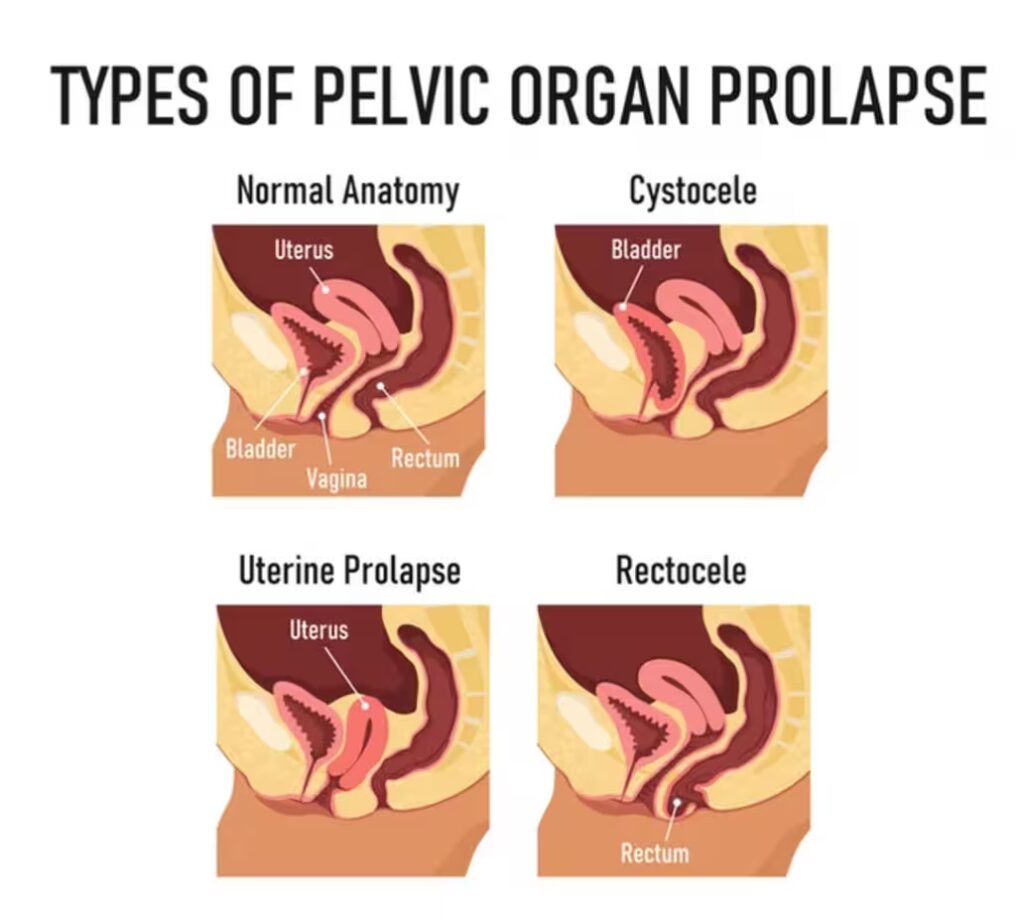
Pelvic organ prolapse (prolapse) happens when the supporting walls of the vagina begin to drop down into the vaginal canal. The vaginal walls support the organs within the pelvis.
- Anterior (front) wall - supports the bladder
- Posterior (back) wall - supports the bowel
- The apex (top of) the vagina - is where the cervix and uterus can be found, (unless a full hysterectomy has been performed, this is then called a vault)
Prolapse occurs due to loss of support from the soft tissues that support the vaginal walls and uterus (ligament / fascia) causing different types of prolapse:
- Anterior wall prolapse - also known as a cystocele
- Posterior wall prolapse - also known as a rectocele
- Uterine prolapse (or a vaginal vault prolapse if there is no longer a uterus)
Many factors can contribute to developing a prolapse including childbirth, instrumental vaginal deliveries, lack of oestrogen (post delivery or in menopause), pelvic surgery, genetic links etc.
It can also include lifestyle or habits that cause repeated excess pressure in the stomach and abdomen (e.g. constipation or lifting).
We would recommend you book a FREE 10 minute consultation with Jodie our Female Pelvic Health Specialist who has undergone specialist training in pessary fitting.

Possible symptoms
- Heaviness in the pelvic area
- Pulling in the lower abdomen and / or low back
- Feeling of something coming out of the vagina (lump / bump)
- Noticing a lump or bulge at the entrance to the vagina (this can be inside or outside of the vagina)
- Not feeling completely empty after having a wee or poo
- The need to use a finger, or hand to apply pressure down below to have a poo
- Bladder leakage, urgency, waking at night to empty your bladder, weak or prolonged stream of urine.
- Needing to change position to start or finish passing urine
- Feeling a blockage with penetration / intercourse
Many women panic when they see or feel a lump or bulge.
50% of women have a prolapse and there are many treatment options to help with prolapse symptoms.
With professional guidance you can live a healthy, active life.
We would recommend you book a FREE 10 minute consultation with Jodie our Female Pelvic Health Specialist who has undergone specialist training in pessary fitting.
What are the treatment options for prolapse?
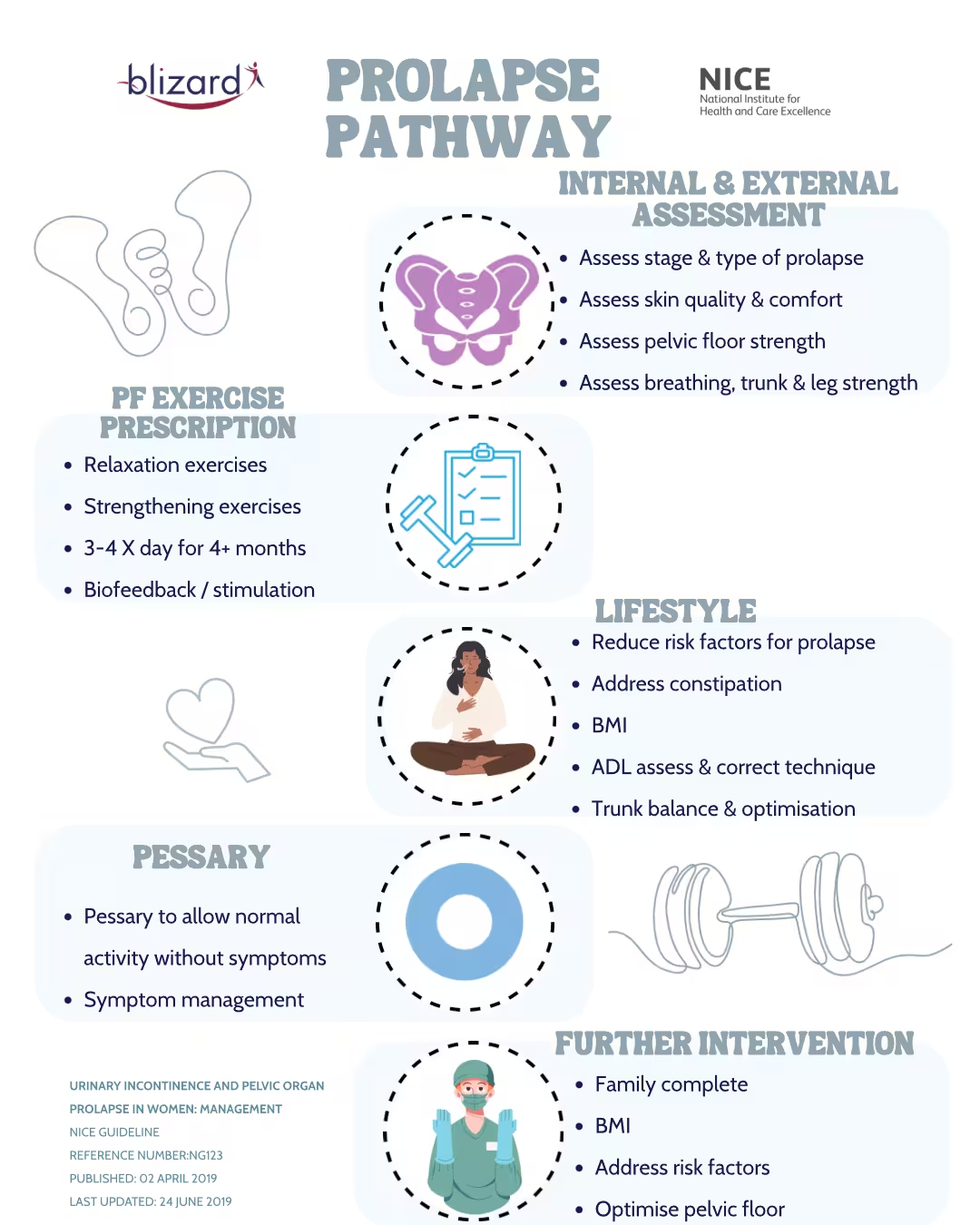
There are many treatment options available. You do not have to live with prolapse symptoms. It should not limit your life.
Physiotherapy
Pelvic health physiotherapists have specialist training on how to assess and treat prolapse symptoms.
You will be asked questions on pelvic symptoms (including bladder, bowel, prolapse, pain and intimacy). All of these issues can be linked.
You will be offered an examination to assess the prolapse, assess tissue quality, and assess your pelvic floor muscles, (a sling of muscles that help to support your pelvic organs).
Your pelvic health physiotherapist will then come up with a plan to help you manage symptoms. This will be based on your symptoms, your goals, your lifestyle and the findings of the assessment.
NICE guidelines recommend physiotherapy as first line treatment for Prolapse. It is non invasive, risk free and very effective at managing symptoms
Pessary
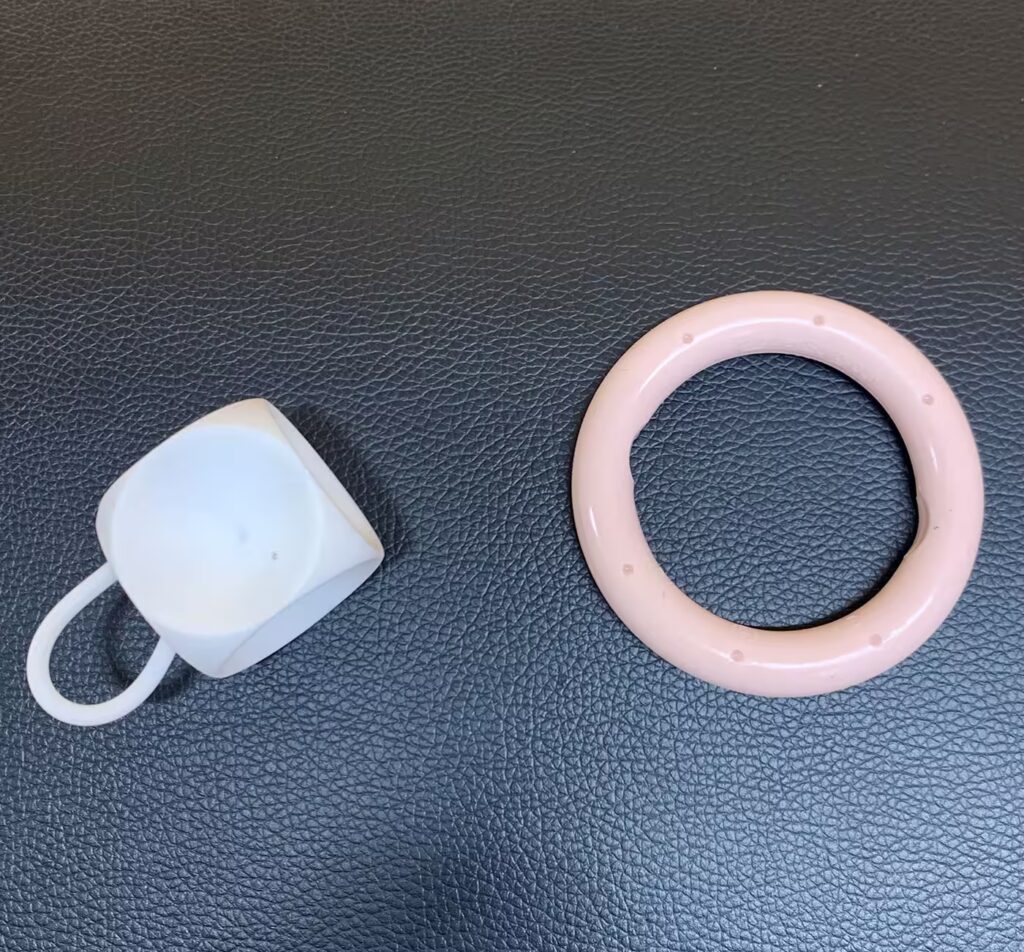
A pessary is a silicone device designed for the vagina, to support a prolapse, restore anatomy closer to it’s healthy position and therefore reduce symptoms caused by prolapse.
Pessaries can be fitted by health care professionals, (physiotherapists, GP’s, consultants) with specific training in pessary fitting.
Surgery
If you have tried physiotherapy and you still have symptoms that cause you distress or limitations on daily activities, and it is appropriate, you may be offered surgery. Prior to surgery it is recommended that you minimise any lifestyle contributing factors, (e.g. BMI, constipation etc) and optimise the function of your pelvic floor muscles to give surgery the best chance of success.
We would recommend you book a FREE 10 minute consultation with Jodie our Female Pelvic Health Specialist who has undergone specialist training in pessary fitting.
What is a pessary?
A pessary is a flexible medical silicone device. They come in all shapes and sizes, (just like vagina’s)!
It is inserted into the vagina to help support the tissues that are dropping downwards. It acts as a support to hold the vaginal wall in a better position to reduce and manage symptoms.
Pessaries can be used for all types of reasons they are mainly to help reduce symptoms of prolapse. They can also be used to provide support to the front wall to help with urinary leakage. They can be used in a variety of life settings. For example:
- To reduce / stop prolapse or urinary leakage symptoms in sport
- To support tissues following childbirth (after 6 weeks+)
- To help support the bladder and bowel position to help with emptying
- To help with symptom relief as an alternative to surgery, or to support symptoms whilst awaiting surgery
We would recommend you book a FREE 10 minute consultation with Jodie our Female Pelvic Health Specialist who has undergone specialist training in pessary fitting.

How do I know if I need a pessary?
If this has not already been recommended to you by a trained health care provider we recommend an initial Pelvic health appointment.
This allows the clinical specialist physiotherapist to understand your symptoms and the impact this is having on your life.
The appointment will focus on all aspects of pelvic health to ensure that the right treatment options are given to you. Often when there is one problem in the pelvis, there is another linked problem that may be contributing or that can be helped.
A female pelvic health specialist physiotherapist is trained to help explore all the factors involved, leaving you less confused and with a clear plan of action, whether it be further physiotherapy, enlisting the help of another specialist or referring you to a consultant.
We would recommend you book a FREE 10 minute consultation with Jodie our Female Pelvic Health Specialist who has undergone specialist training in pessary fitting.
What happens at a pessary fitting appointment?
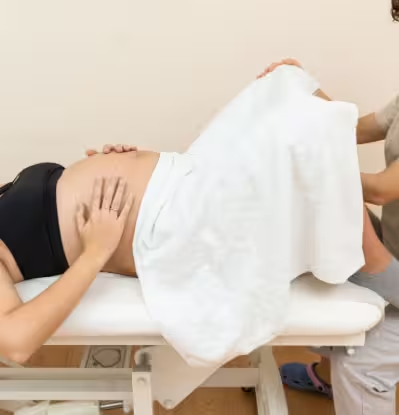
- Check appropriate for a pessary
- Discuss what a pessary is
- Discuss possible side effects
- Discuss follow up of pessary
- Gentle Speculum exam
- Check vaginal tissues
- Check the type of prolapse (with measurements)
- Try a pessary and allow you to move, walk and wee with it in
- Decide if a pessary is appropriate to use to manage symptoms
- This may be a pessary that stays in place, or one that you take out and use when needed.
We would recommend you book a FREE 10 minute consultation with Jodie our Female Pelvic Health Specialist who has undergone specialist training in pessary fitting.



We are here to help
A prolapse should not be a barrier to you leading the life you want, whether it be getting strong in the gym, going for a run or playing with your grandkids.
We would recommend you book a FREE 10 minute consultation with Jodie our Female Pelvic Health Specialist who has undergone specialist training in pessary fitting.